Fabrics
Mesh or clear PVC outdoor blinds: which fabric is right?
Mesh or clear PVC? How the two outdoor blind fabrics compare on view, privacy, heat, rain, wind and lifespan, and which one suits each space.
7 min read

A motor turns an outdoor blind from something you operate into something you just use. Whether that is worth several hundred dollars a blind depends on size, height and how often it moves.
Short answer: motorised outdoor blinds are worth it for wide or high blinds, for several blinds you use daily, and for sites where a wind sensor protects the blind. For one or two small blinds you move a few times a season, a manual blind does the same job for considerably less.
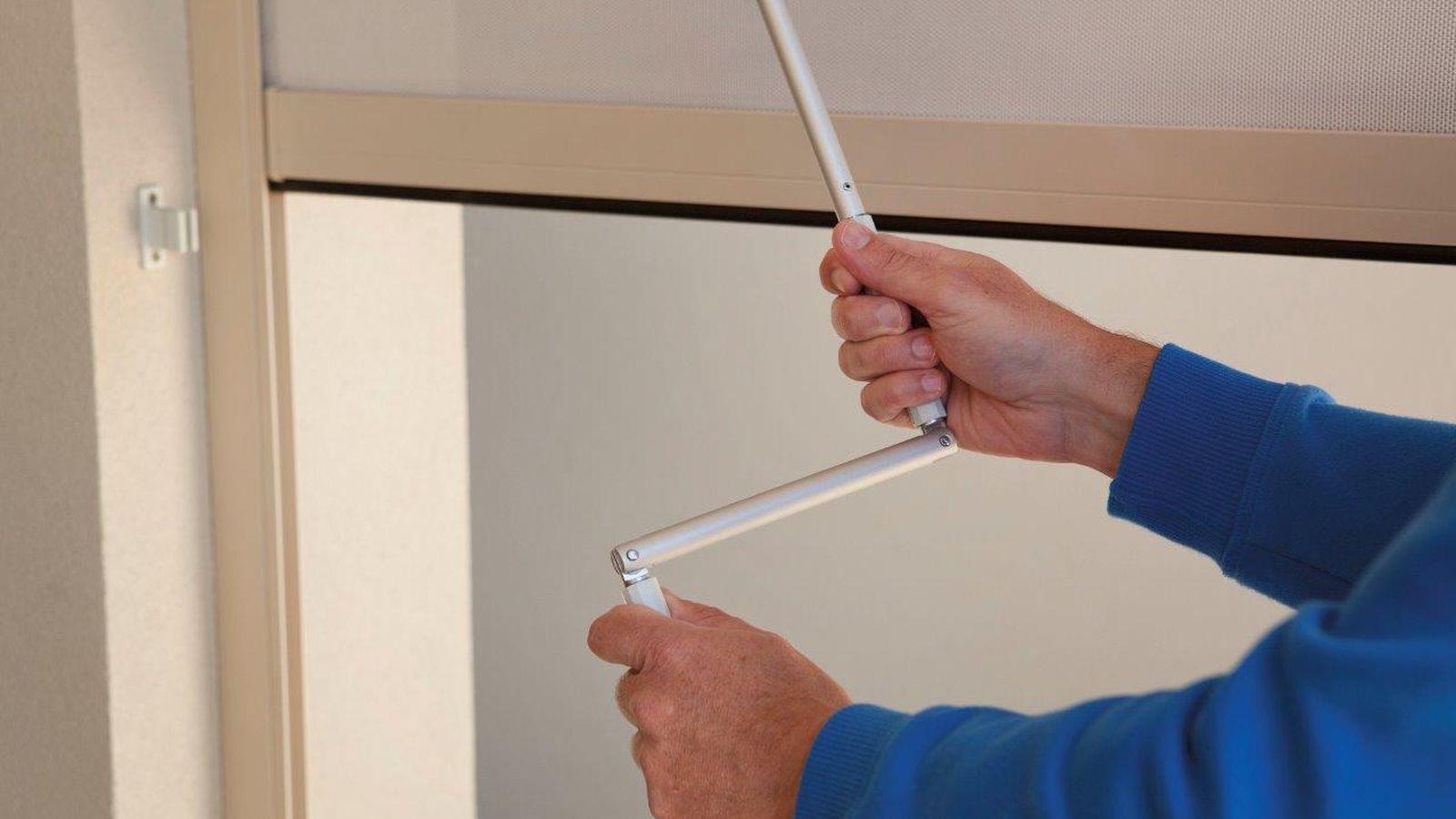
Manual outdoor blinds work well. A good spring-balanced track blind glides up and down with one hand. So the question is not whether motorisation works, but whether it solves a problem you actually have.
Expect to add around $500–900 per blind for the motor and remote, before any electrical work. Hard-wired motors also need power run to each headbox by a licensed electrician, which adds to the cost depending on how far the nearest circuit is and how many blinds share the run.
A multi-channel remote can control several blinds individually or as a group, so the controller cost is shared. Each blind still needs its own motor.
| Hard-wired (240 V) | Rechargeable battery | Solar-charged battery | |
|---|---|---|---|
| Power | Mains circuit to the headbox | Battery pack, recharged by cable | Battery topped up by a small panel |
| Electrician needed? | Yes, legally required | No | No |
| Ongoing effort | None | Recharge periodically | Minimal if the panel gets sun |
| Best for | New builds, renovations, large or heavy blinds | Retrofits, smaller blinds | Retrofits with a sunny mounting spot |
Mains wiring is not a DIY job. In Australia, any 240 V connection must be done by a licensed electrician. You can still install the blind yourself and have the electrician connect the motor.
Battery and solar motors avoid electrical work entirely, which makes them attractive for retrofits. Their limits are capacity and charging. A battery motor on a large, heavy blind used several times a day will need charging more often, and a solar panel on a shaded south-facing wall may not keep up.
Most motor systems support optional extras. The most useful are:
Sensors and hubs add cost, so add them where they solve a real problem. A wind sensor on an exposed coastal deck earns its keep. Smart-home integration is a convenience, not a necessity.
Sometimes, but not always cheaply. Many manual blinds use a spring mechanism that is not designed to accept a motor, so converting can mean replacing the roller and headbox internals. If you think you might want motors within a few years, it is usually better to order motorised now, or at least to have the electrician run power to the headbox positions while walls and ceilings are open.
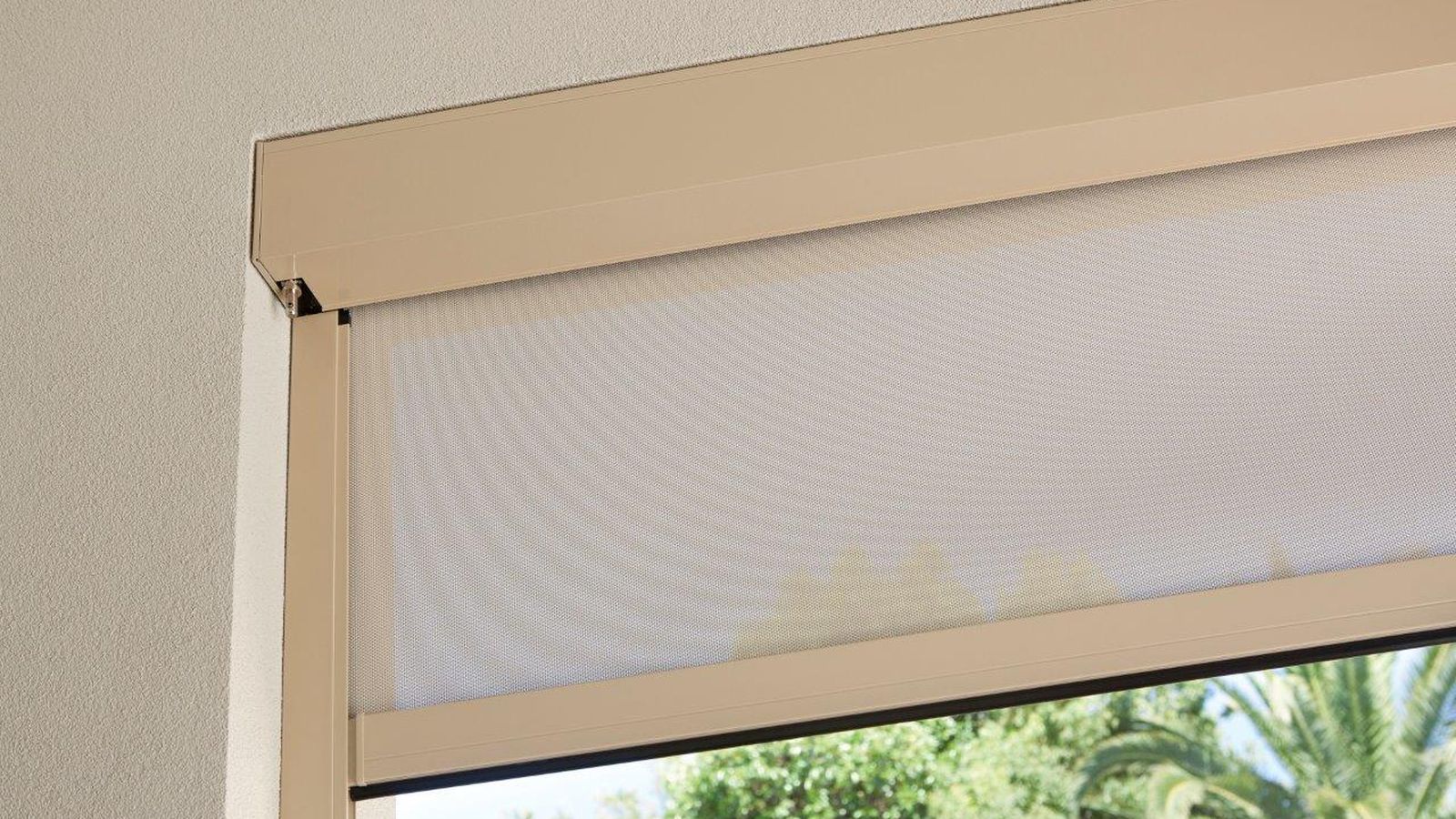
Very little day to day. The fabric, tracks and headbox are the same. The main differences are a motor inside the roller tube, a slightly different headbox end, and the need to set upper and lower limits during installation so the blind stops in the right place.
Typically around $500–900 per blind for the motor and remote, plus electrician costs if the motor is hard-wired.
Only for hard-wired 240 V motors, which must be connected by a licensed electrician. Battery and solar-charged motors need no electrical work.
Yes, for retrofits and small to medium blinds. They need periodic recharging, and large, heavily used blinds drain them faster than small ones.
Yes. With an optional wind sensor, the blind retracts when wind or movement passes a set level, which protects it when nobody is home.
Sometimes, but many spring-operated blinds are not designed for a motor, so converting can mean replacing the roller internals. Ordering motorised from the start is usually simpler.
Fabrics
Mesh or clear PVC? How the two outdoor blind fabrics compare on view, privacy, heat, rain, wind and lifespan, and which one suits each space.
7 min read
Conditions
Which outdoor blinds stand up to strong wind and salt air, what to look for in hardware and fabric, and when any blind should be rolled up.
7 min read
Care
How to clean mesh and clear PVC outdoor blinds, what products to avoid, how to deal with mould, and the simple care that keeps tracks running.
6 min read
Every outdoor blind, awning and roller shutter we make, with fabric and colour options, on the main DIY Blinds store.
View all products